November 5, 2026
Roof Replacement Succasunna, NJ: Why Workmanship Guarantees Matter
By @rafaelaiux673
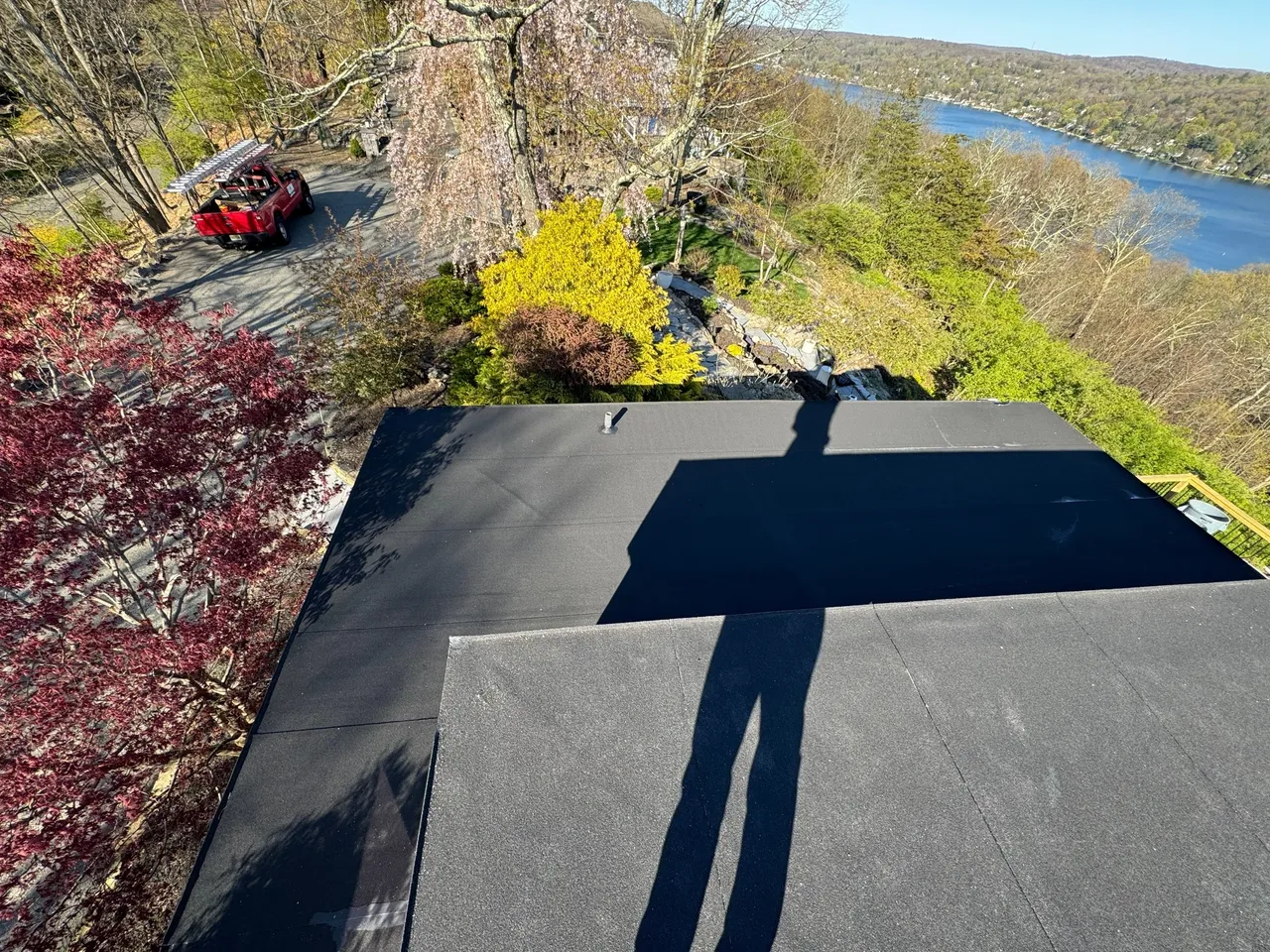
A new roof is one of the largest exterior investments most homeowners in Morris County will make. People often compare shingle colors, ventilation upgrades, and price per square, which is understandable. Those are visible, concrete details. What gets less attention, and often deserves more, is the workmanship guarantee behind the installation.
That matters because even the best roofing materials can fail early when they are installed poorly. I have seen premium shingles curl at the edges because attic ventilation was handled carelessly. I have seen perfectly good flashing systems leak around chimneys because someone rushed the metal work and relied on caulk to save time. In both cases, the manufacturer did not create the problem. The installation crew did.
For homeowners considering Roof Replacement Succasunna, NJ, that distinction is not small. It is the line between a roof that performs for decades and a roof that starts creating repair calls after the first hard season. A workmanship guarantee is not marketing fluff when it is written clearly, backed by a reputable contractor, and tied to actual installation standards. It is one of the best ways to measure whether a roofing company stands behind its labor when the job is complete and the final check has cleared.
The difference between a material warranty and a workmanship guarantee
Many homeowners hear the word warranty and assume they are fully covered. Usually, they are hearing about two different protections that do not cover the same problems.
A manufacturer’s warranty generally covers defects in the roofing material itself. If shingles were made incorrectly, if they lose granules abnormally early due to a product defect, or if another component fails because of how it was manufactured, that warranty may apply. The exact coverage depends on the product line and the manufacturer’s terms.
A workmanship guarantee covers the labor side of the job. It addresses problems caused by installation mistakes, omissions, or poor site practices. If flashing was installed incorrectly, if underlayment was skipped where it should have been used, if nails were placed improperly, or if a penetration was not sealed according to the roofing system requirements, that falls under workmanship.
This distinction is where many expensive misunderstandings start. A homeowner may call about a leak six months after a roof replacement and assume the manufacturer will handle it. In reality, if the shingles are fine but the valley was woven badly or the step flashing was mishandled, the manufacturer is not likely to own that issue. The contractor should.
That is why workmanship guarantees matter so much more than people expect. Roof systems fail at transitions and details far more often than they fail in the middle of a wide open shingle field. Chimneys, pipe boots, skylights, dormer walls, valleys, and eaves are where skill shows up. Those are not material defects. Those are craft issues.
Succasunna roofs deal with real seasonal stress
Roofing in northern New Jersey is not forgiving. Succasunna homes see snow loads, ice dam conditions, spring downpours, summer humidity, and freeze thaw cycles that expose weak installation details quickly. If a roofer leaves even small flaws in the system, local weather tends to find them.
A low slope rear section might hold snow longer than expected. A north facing roof plane may dry more slowly after a winter storm. Gutters can back up during a freeze, pushing water under the first courses of shingles if the eaves were not protected correctly. Wind driven rain can test sidewall flashing on colonial homes and split levels in ways a mild climate never would.
Because of that, Roof Replacement Succasunna, NJ is not just about laying shingles in straight lines. It requires attention to deck condition, ventilation balance, flashing integration, ice and water protection, ridge detailing, and cleanup practices that do not leave the property with hidden damage. A workmanship guarantee has real value in this climate because small errors can become visible fast.
I have seen homes where the leak did not show directly below the mistake. Water entered near a chimney saddle and traveled several feet before staining a bedroom ceiling. That makes diagnosis tricky and often expensive. If the contractor’s workmanship is clearly guaranteed, the homeowner is in a stronger position to get the issue investigated and corrected without a fight over responsibility.
What a strong workmanship guarantee actually says
A good guarantee is not vague. It should be specific enough that a homeowner can understand what is covered and for how long. If the promise is just, “We stand behind our work,” that may sound reassuring, but it leaves too much room for dispute later.
The stronger guarantees I have seen do a few things well. They define the coverage period. They explain what kinds of installation related issues are included. They outline any exclusions, such as storm damage, structural movement, or issues caused by other trades after the roof installation. They also explain how service calls are handled.
Homeowners should pay attention to whether the guarantee is truly from the contractor doing the work, whether it is in writing, and whether the company has enough stability to still be around if a problem appears five or ten years later. A twenty year labor guarantee from a company with a short track record and a paper thin service department may be less meaningful than a ten year guarantee from a roofer known locally for honoring callbacks promptly.
Length alone does not tell the whole story. Terms, responsiveness, and reputation matter just as much.
Cheap roof jobs often expose the guarantee problem
The lowest bid can hide the greatest risk. I do not say that because every affordable contractor cuts corners. Some smaller companies are lean, efficient, and excellent. The problem starts when a price is low because important labor steps are being skipped.
That may mean reusing flashing that should have been replaced. It may mean using fewer accessories than the manufacturer recommends. It may mean rushing tear off, leaving questionable decking in place, or assigning an inexperienced crew lead to keep payroll down. None of those shortcuts are obvious from the street once the roof is finished. The house looks neat. The color is right. The yard is cleaned up. Months later, the trouble appears.
When that happens, the nature of the workmanship guarantee becomes the deciding factor. Does the contractor answer the phone? Do they inspect the issue quickly? Do they try to shift blame to weather, siding, masonry, or “normal settling” before even opening the roof? Or do they take ownership where the problem is tied to their work?
This is where contractor character shows up. Not in the sales meeting, but in the service call after the check has cleared.
The roof details most likely to depend on workmanship
Homeowners do not need to become roofing technicians, but it helps to understand where labor quality has the biggest impact. Most post-installation problems come from details, not the field shingles themselves.
Flashing at chimneys and walls is one common trouble area. Good flashing is layered to shed water, not sealed together with excessive roof cement. Valleys are another critical zone, especially where heavy runoff concentrates during storms. Improper nailing is a classic hidden defect. Too high, too low, angled, or overdriven nails can weaken wind resistance and shorten roof life. Ventilation mistakes can be equally damaging, though they may not reveal themselves right away. An attic that traps heat and moisture can cook shingles early, encourage mold growth, and create winter condensation issues that homeowners mistakenly blame on the roof surface.
A workmanship guarantee has value because these are the categories where installer judgment matters most. Materials cannot compensate for poor execution.
Why local experience matters in Roof Replacement Succasunna, NJ
There is a practical difference between a company that occasionally works in the area and one that understands the housing stock, code expectations, and weather patterns common in Succasunna. Local experience tends to sharpen the details that affect long term roof performance.
A roofer who works regularly in the region is more likely to have seen the older ranches, colonials, and split levels common in the area. They know which homes often need decking repairs near eaves, which attic layouts create ventilation imbalances, and which chimney configurations tend to leak if flashing is not rebuilt properly during replacement.
They also understand that a roof replacement is not just a top layer project. On many homes, the underlying deck tells the real story once tear off begins. If plywood is soft around bathroom vents or near valleys, a competent contractor will document it, explain the options, and repair it correctly before installing the new system. A contractor who is focused only on speed may bury those weak spots under fresh shingles and leave the homeowner with a shorter roof life from day one.
In my experience, the companies that offer the clearest workmanship guarantees are often the same companies that are not afraid to talk through these possibilities before the contract is signed. They know that hidden conditions happen. They also know that trust is built when expectations are set honestly.
A guarantee is only as good as the company behind it
This is the uncomfortable truth. A beautifully worded workmanship guarantee has limited value if the company disappears, changes names every few years, or avoids responsibility when a complaint comes in. Homeowners should look at the guarantee and the business standing behind it as one package.
A stable contractor usually shows certain patterns over time. They have a consistent local presence. They can explain who supervises the crew. They have service procedures, not excuses. They document jobs. They communicate clearly when weather delays occur. They do not become hard to reach the moment final payment is collected.
That kind of stability often costs a little more. There is a reason for that. Running a service department, carrying proper insurance, training crews, and maintaining quality control are real overhead costs. The contractor who plans to honor a workmanship guarantee must price for the possibility of future service work. The contractor who has no intention of standing behind the labor can bid lower because they are not carrying that responsibility in the background.
This is one of the clearest examples of value over price in home improvement.
Questions worth asking before you sign
A short conversation can reveal a lot about whether a workmanship guarantee is meaningful or just a line in the proposal.
- How long is your workmanship guarantee, and what exactly does it cover?
- Who handles warranty service calls, your own team or a subcontractor?
- Will you replace flashing at chimneys, walls, and penetrations, or reuse existing metal where possible?
- How do you document deck repairs or hidden issues found during tear off?
- If a leak appears in the first year, what is your response process and typical timeline?
These questions are not confrontational. Good contractors answer them comfortably because they have thought through the process already. Vague answers are useful too. They tell you what to expect later.
The role of manufacturer certifications
Some roofing manufacturers certify contractors who meet specific training or installation criteria. That can be a positive sign, but it Roof Replacement Succasunna, NJ should not be confused with a guarantee of perfect workmanship. Certification is helpful because it suggests familiarity with the system and often allows access to stronger material warranty options. Still, it does not replace independent judgment about the company’s labor practices.
I have seen certified installers do strong work, and I have seen certification used as a sales badge with very little explanation of who will actually be on the roof. Homeowners should ask whether the certified company’s trained crew will perform the installation and who supervises quality on site. The best companies are transparent about this. They can explain not just what logos they carry, but how those standards show up in the daily work.
Real workmanship problems rarely start with dramatic failure
People often picture a bad roof as a disaster, shingles flying off or water pouring through the ceiling. More often, the warning signs start small. A faint stain near a dormer. A drip that only happens with wind driven rain. Granules collecting in unusual amounts near an eave because water is backing up. Frost in the attic during a cold snap because ventilation was thrown off during the replacement.
These early signals matter. They are often the stage where a workmanship issue can be corrected with limited disruption. If the contractor responds promptly, opens the affected area, and repairs the cause correctly, the long term damage can be contained. If the issue is dismissed or patched repeatedly without investigation, rot, insulation damage, interior staining, and mold risk can build quietly.
This is another reason workmanship guarantees matter. They create a framework for action before a small defect grows into a major claim.
The fine print deserves a careful read
Homeowners are sometimes reluctant to slow down a roof contract over paperwork, especially after a storm season or when leaks are active. Still, the language matters. Look for exclusions that are too broad to be useful. If nearly every likely issue is excluded, the guarantee is weak no matter how impressive the duration sounds.
Pay attention to whether maintenance expectations are reasonable. It is fair for a contractor to exclude damage caused by fallen trees, severe storms, or alterations made by another trade after the roof installation. It is less reasonable if the language is written so broadly that almost any future issue can be blamed on something outside the guarantee.
Also note whether the guarantee is transferable if the home is sold. That may not matter to every owner, but for some properties it can add resale confidence.
What workmanship pride looks like on the jobsite
You can often spot a contractor who takes labor quality seriously before the roof is even finished. The crew protects landscaping instead of trampling it. Tear off is controlled rather than chaotic. Materials are staged with care. Flashing details are discussed, not guessed at. The supervisor checks penetrations, valleys, and ridge work instead of only watching production speed. The site is magnet swept thoroughly because stray nails are treated as unacceptable, not inevitable.
Those habits are not cosmetic. They reflect discipline. Contractors who manage the small things well tend to manage the hidden things well too.
One homeowner I spoke with after a replacement in Morris County made a telling comment. The part that won her confidence was not the color sample or the sales presentation. It was seeing the foreman stop the crew to address a questionable plywood section near a vent stack. He did not cover it and keep moving. He took photos, explained the issue, and fixed the deck before continuing. That is exactly the mindset that makes a workmanship guarantee credible.
When a longer guarantee may not be the best guarantee
A very long workmanship guarantee can be valuable, but it should not automatically win the comparison. A realistic, well documented promise from a contractor with a strong local service reputation often means more than a longer term with murky conditions.
Ask how claims have been handled in the past. Ask whether service calls are inspected by a field supervisor. Ask what happens if the issue turns out to be a combination of roofing and another exterior component, such as siding or masonry. Experienced contractors will explain the gray areas honestly. Roofing failures are not always simple, especially where different building systems meet. The best companies do not overpromise. They define responsibility clearly and then stand behind it.
That honesty is often a better predictor of future support than a headline number.
Choosing a contractor with the end of the job in mind
Most homeowners focus heavily on how the project begins, the estimate, the product, the schedule, the tear off date. Fewer think hard enough about what happens after the installation. Yet that is when the workmanship guarantee matters most.
A roof replacement should not be evaluated only as a construction event. It is also a service relationship. If a concern appears months later, will the company treat it as part of their obligation or as an inconvenience to avoid? That question should sit near the center of any contractor decision, especially for Roof Replacement Succasunna, NJ, where weather can expose weak installation practices quickly.
The best roofing projects share a few traits. The scope is clear. The crew is supervised. The details are handled with care. The paperwork is specific. The contractor’s reputation is strong enough that the workmanship guarantee feels believable before you ever need to use it.
That is the standard worth paying for. Not because anyone wants to make a warranty claim, but because a roof is too important to leave unprotected from the one risk the materials alone can never solve, human error.
Royalty Exteriors
151 NJ-10 Suite 103A, Succasunna, NJ 07876, United States
+1 973-333-7234
FAQ About Roof Replacement Succasunna, NJ
What are signs a roof needs replacing?
Widespread shingle deterioration, repeated leaks, or damaged decking can point to a larger problem. A roofer can inspect the roof covering, flashing, and deck to determine whether the damage is localized or whether replacement makes more sense.
How long does it take to reroof a 2000 square foot house?
Royalty Exteriors estimates one to three days for many single-family roof replacements. A house’s floor area does not tell you the actual roof area. Pitch, roof features, weather, and any decking repairs can change the schedule.
How long should a roof last in NJ?
There is no single lifespan for every roof. Material, installation quality, attic ventilation, maintenance, and exposure to storms all affect how long a roof remains serviceable. An inspection can help you assess its condition and plan for replacement.
❧