October 8, 2026
Roof Repairs for Sun Damage and Heat Exposure
By @rafaelaiux673
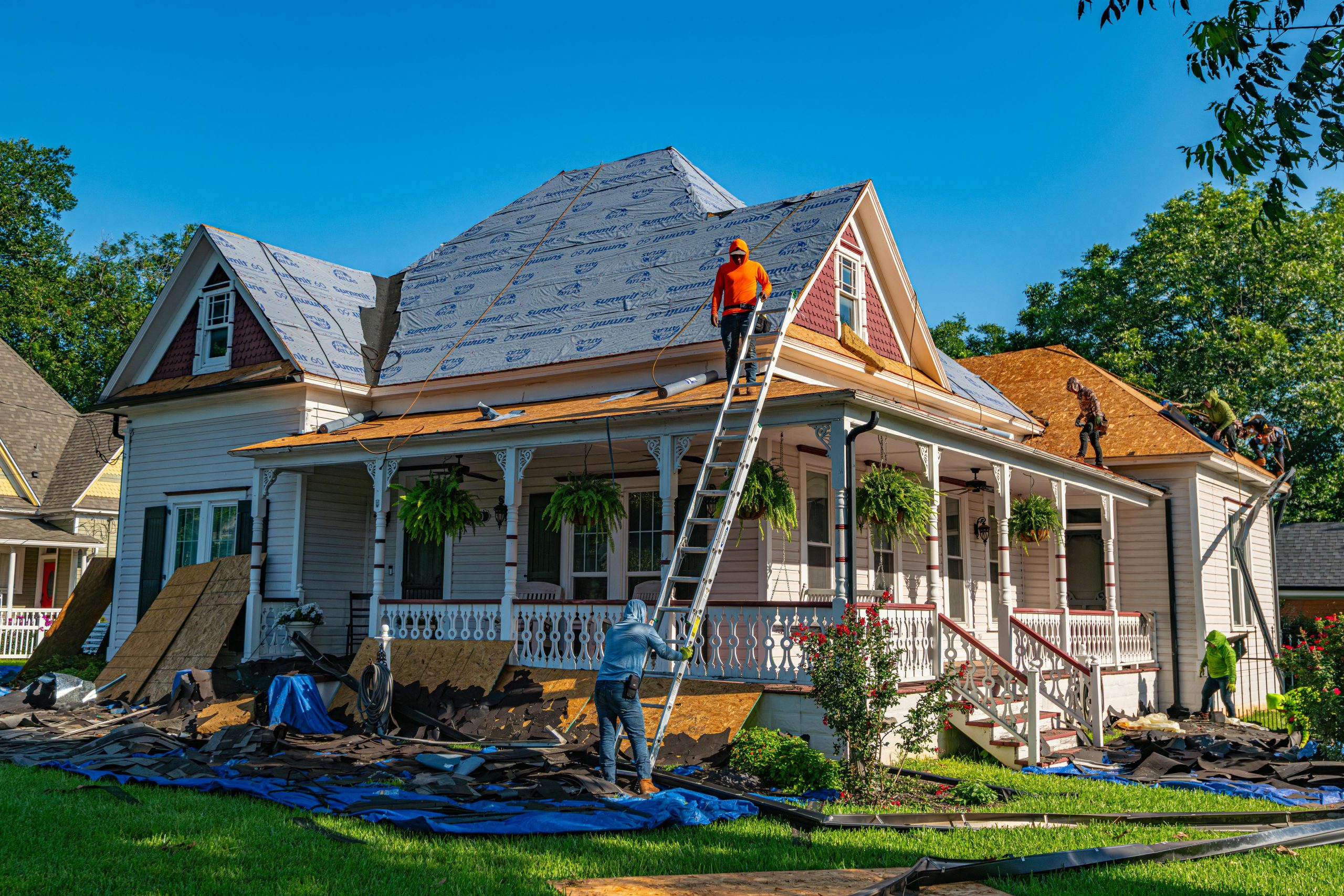


A roof does not fail all at once. In hot climates, it usually wears down in plain sight, a little each season, until one summer pushes it past the point where small defects become expensive ones. The sun bakes surfaces day after day. Attics trap rising heat. Flashings expand and contract. Sealants dry out, lose flexibility, and begin to separate at the edges. Homeowners often notice the problem only when a ceiling stain appears or a room starts feeling harder to cool.
Sun damage is easy to underestimate because it rarely looks dramatic in the early stages. A shingle roof may still appear intact from the driveway while the granules are thinning and the asphalt is becoming brittle. A flat roof may seem serviceable even as the membrane hardens and the seams start to pull. Tile and metal roofs can hold up well for years, but underlayment, fasteners, and penetrations still take a beating from heat exposure. The visible roofing material is only part of the story.
Roof repairs tied to heat and UV exposure require a different eye than storm repairs. Wind and hail leave obvious marks. Heat damage tends to be cumulative. It shows up as curling, blistering, splitting, fading, shrinking, and movement around the roof’s vulnerable points. Good repair work depends on identifying whether the damage is cosmetic, localized, or a sign that the roofing system has entered the last stage of its service life.
What prolonged sun exposure really does to a roof
Heat works on roofing materials in several ways at once. The most direct is ultraviolet degradation. UV rays break down the compounds that help roofing products stay flexible and weather resistant. On asphalt shingles, that often means the oils dry out over time, making the shingles more rigid and prone to cracking. On modified bitumen or other low-slope materials, the membrane can become less elastic and more susceptible to splits. On sealants around penetrations and flashing joints, UV exposure often causes hardening, shrinkage, and separation.
The second issue is thermal cycling. A roof surface can become extremely hot in direct sun, then cool substantially overnight. That daily expansion and contraction may not sound dramatic, but it adds up year after year. Metal panels move. Nails loosen. Flashing joints open slightly. Around chimneys, skylights, vents, and wall intersections, that movement can create tiny gaps that let water in during the next rain.
The third factor is ventilation, or the lack of it. When attic temperatures stay high, the roof is stressed from both sides. The outer surface absorbs solar heat while the underside radiates trapped attic heat back into the roof deck and fasteners. In homes with poor ventilation, shingles often age prematurely, and roof decking can dry, warp, or become more vulnerable to moisture problems if leaks later develop.
I have seen roofs in very sunny regions lose years of useful life not because the materials were inherently bad, but because the attic was stifling and air could not move. Repairs helped, but unless the ventilation issue was corrected, the same trouble spots kept returning.
The signs homeowners miss most often
Most people look for missing shingles and obvious leaks. With sun damage, the clues are often quieter. A roof can be deteriorating while still looking mostly complete from the ground.
Here are the signs that deserve a closer look:
- Shingles that are curling at the edges, cupping in the center, or feeling brittle when touched.
- Noticeable granule loss in gutters or downspouts, especially if bare asphalt patches are beginning to show.
- Sealant around vents, skylights, and flashing that looks dried, cracked, or pulled away.
- Discoloration, blisters, or surface cracking on low-slope membranes.
- Rooms beneath the roofline that are suddenly hotter, paired with rising cooling costs.
None of these symptoms automatically means full replacement. They do mean the roof should be inspected with care, especially before the hottest part of the year or before storm season begins.
Asphalt shingles and the particular way they age in heat
Asphalt shingle roofs make up a huge portion of residential roofing, so they account for many heat-related repair calls. In hot, sunny weather, the shingle surface expands. Over time, the asphalt binder dries out, and the granules that shield the shingle from UV radiation begin to loosen. Once enough granules are lost, the shingle is exposed more directly to sunlight and deterioration accelerates.
Curling is one of the more recognizable signs. Sometimes the edges lift. Sometimes the center arches slightly. Either condition weakens the shingle’s ability to shed water properly and leaves it more vulnerable to wind uplift. Cracking is even more serious. A cracked shingle may still sit in place, but it is no longer a reliable water barrier.
Localized roof repairs can work well when damage is limited to a defined section and the surrounding shingles still have flexibility and adequate life left in them. A repair crew can remove failed shingles, inspect the underlayment and decking below, replace compromised materials, and re-seal the area. Matching the color is often the trickiest part on older roofs because UV exposure changes the appearance of installed shingles over time. The repair can be watertight and structurally sound while still standing out visually.
There is also a point where repairs stop making financial sense. If a shingle roof has widespread granule loss, broad areas of brittleness, repeated leaks around several penetrations, and attic heat issues that have gone unaddressed, replacing scattered sections becomes a stopgap rather than a true fix. That judgment matters. Over-repairing a roof at the end of its life can cost more than a timely replacement plan.
Flat and low-slope roofs face a different set of heat problems
Low-slope roofs absorb and hold heat in a way pitched roofs often do not. Whether the roof is built with modified bitumen, single-ply membrane, or another system, prolonged heat exposure tends to show up in seam failure, blistering, surface shrinkage, and cracking at transitions.
Blisters deserve careful interpretation. A blister in the surface layer is not always an immediate leak, but it is a sign that the membrane has been stressed or that moisture or air has become trapped within the system. Some blisters remain stable for a while. Others rupture and expose the underlying layers. A rushed repair can do more harm than good if someone simply cuts into every blister without understanding the assembly beneath it.
Seams are where many hot-weather leaks begin. As membranes age and move with temperature swings, seam adhesives can weaken or welds can fail. Once a seam starts to separate, wind-driven rain can work its way underneath and travel farther than most people expect. The visible interior leak may not line up with the exterior defect.
Heat-reflective coatings can extend the life of some low-slope roofs, but coating is not a cure for wet insulation, open seams, or structural deterioration. I have seen buildings coated too late, after the substrate was already compromised. The roof looked refreshed for a season, but the underlying issues remained. Good repair practice starts with moisture detection and substrate assessment, not with a bucket of coating.
Tile, metal, and the hidden components beneath them
Tile and metal roofs usually earn a reputation for durability in hot climates, and that reputation is deserved, but they are not immune to sun and heat-related roof repairs. In these systems, the visible surface often outlasts the parts below or around it.
On tile roofs, the tiles themselves may remain sound while the underlayment becomes brittle and fails. Cracked or slipped tiles can let water reach that aging underlayment more quickly. Repairs often involve lifting tiles carefully, replacing sections of underlayment, checking battens or fasteners, and resetting or replacing damaged tiles. The challenge is avoiding collateral damage during access, since older tile can crack under foot traffic.
Metal roofs handle UV exposure well, but they move significantly with temperature changes. Fasteners can back out. Washer seals can deteriorate. Penetrations can become weak points if the flashing details were not designed for movement. On standing seam systems, clips and seams need to be inspected, not just the panel faces. On exposed-fastener roofs, even a small number of failed screws can create a surprising number of leak paths.
One of the more frustrating repair scenarios involves a metal roof that was patched repeatedly with the wrong sealant. In intense sun, some sealants dry, split, and peel away quickly. The owner then assumes metal roofing is the problem, when the real issue is incompatible repair material and movement that was never accommodated properly.
Why roof ventilation belongs in the repair conversation
When a roof shows sun damage, the conversation should not stop at the outer covering. Heat buildup inside the attic often shortens roof life and increases the strain on every repaired area. It also raises indoor temperatures, drives up cooling costs, and can contribute to moisture imbalance if humid air is not exhausting properly.
Balanced ventilation matters. Intake at the eaves and exhaust near the ridge or high points gives hot air a path Roof Repairs to escape. Without that path, the attic can become a heat reservoir. On summer afternoons, that trapped heat radiates into ductwork, insulation, and the roof deck itself.
This is where practical judgment matters. A roof with isolated flashing failure may only need targeted repair. A roof with repeated shingle distortion over broad sections, superheated attic conditions, and minimal ventilation openings probably needs both exterior repair and airflow correction. If you skip the ventilation piece, you are asking new materials to survive the same punishing environment that damaged the old ones.
A homeowner once described it well after a repair and ventilation upgrade: the roof “stopped cooking itself.” That is not technical language, but it gets the point across.
Repair methods that actually hold up in high heat
Good hot-weather roof repairs do more than plug a leak. They restore weather resistance in a way that can tolerate continued UV exposure and movement. That means choosing repair materials that are compatible with the existing roof system and suited to the local climate.
For shingle roofs, that may mean replacing a field of damaged shingles rather than trying to spot-fix individual brittle tabs that will crack during handling. It often includes new underlayment in the opened area and careful attention to nail placement and seal strips. If nearby flashing is aged, it is usually wise to replace it while access is open rather than leave a known weak point in place.
For low-slope systems, durable repairs often involve reinforcing seams, patching with matching membrane materials, restoring manufacturer-appropriate details around penetrations, and addressing any wet insulation discovered below. A patch that adheres well on a mild morning but softens or fails under intense afternoon heat was never a real repair.
For metal roofs, success often depends on replacing failed fasteners with properly sized alternatives, renewing gaskets where needed, using sealants rated for UV exposure and movement, and correcting flashing details rather than smearing more mastic over the problem. Metal rewards precision and punishes shortcuts.
Timing also matters. Roofing crews know that extreme heat affects not only workers but materials. Sealants cure royaltyexteriorsnj.com Roof Repairs differently. Membranes can become too soft to handle cleanly. Shingles can scuff. Scheduling repairs during moderate morning conditions often produces better workmanship than trying to rush through peak afternoon heat.
When a repair is enough, and when replacement is the smarter call
Homeowners often ask the same question in slightly different words: can this be fixed, or is it time to replace the roof? The honest answer depends on concentration of damage, remaining material life, leak history, and how much hidden deterioration is found once the roof is opened.
Repairs are usually a strong option when the damage is localized, the surrounding materials still have flexibility and integrity, and the underlying deck is sound. A ten-year-old roof with a few heat-cracked shingles around a poorly ventilated section may respond very well to targeted work and a ventilation correction.
Replacement starts to look more sensible when damage is widespread, the roofing material is brittle across multiple slopes or sections, leaks have occurred at several unrelated locations, or the roof has already been repaired repeatedly with mixed materials and short-lived patches. Age matters, but condition matters more. A younger roof installed badly in a harsh climate can fail sooner than an older one that was built well and maintained.
This decision should also factor in energy performance and future plans. If the roof is nearing the end of its service life, putting money into substantial repairs without improving reflectivity, ventilation, or insulation strategy may not be the best long-term use of funds. On the other hand, if the roof has many good years left, strategic roof repairs can postpone replacement responsibly and protect the structure in the meantime.
The cost side of heat damage, beyond the repair invoice
Sun-related roof damage affects more than the roof covering. The hidden costs often show up elsewhere first. Air conditioning runs longer. Upper rooms stay uncomfortable. Ductwork in overheated attic spaces loses efficiency. Small leaks stain ceilings, damage insulation, and invite mold growth if ignored. Fascia, soffits, and paint can suffer when roof edges fail to direct water properly.
This is why prompt action matters. A cracked boot around a vent pipe might be a modest repair today. Left through a hot season and into the next rain cycle, it can lead to wet decking, insulation replacement, drywall repair, and the kind of indoor remediation nobody wants to budget for.
Owners of commercial buildings see a similar pattern on a larger scale. A seam issue on a low-slope roof can seem minor until water migrates into insulation and starts reducing thermal performance over a broad area. At that point, the building is paying twice, once in repair costs and again in higher energy use.
What to ask during an inspection
A solid roof inspection for sun and heat damage should go beyond a quick glance and a quote. The inspector should be looking at surface wear, flashings, sealants, penetrations, drainage, ventilation, and signs of hidden moisture. Photos help. So does a clear explanation of what is urgent, what is developing, and what can be monitored.
Ask questions that reveal whether the proposed repair is solving the cause or just the symptom. If shingles are curling, is attic heat part of the problem? If a flat roof seam is opening, is there movement, ponding, or membrane aging behind it? If the repair is around a skylight or vent, is the flashing being rebuilt correctly or simply caulked over?
A trustworthy professional should be able to explain trade-offs plainly. There are cases where a limited repair is a sensible short-term move, especially if a full replacement is planned within a year or two. There are also cases where spending less today simply guarantees spending more later. The difference lies in how much life and stability remain in the roof system as a whole.
Habits that help a roof survive hotter seasons
Homeowners cannot stop UV exposure, but they can reduce how much damage goes unnoticed and how fast small issues spread. A little attention each year makes a real difference.
A practical routine includes the following:
- Inspect the roof visually at the start and end of summer, paying attention to curling, discoloration, flashing edges, and debris buildup.
- Check attic conditions during hot weather, including unusual heat, blocked vents, and signs of moisture or staining on the underside of the deck.
- Keep gutters and drainage paths clear so sudden summer storms do not compound existing roof weakness.
- Repair small defects early, especially cracked sealant, damaged vent boots, and isolated material failure around penetrations.
- Schedule a professional inspection if the roof is older, the cooling bills rise unexpectedly, or any leak has appeared more than once.
These steps do not eliminate the need for eventual replacement, but they can slow the chain reaction that turns surface wear into structural damage.
Heat exposure is cumulative, but so is smart maintenance
Sun damage rarely arrives as a single event. It accumulates season by season, often in the places owners cannot easily see from the ground. That is why roof repairs for heat exposure demand patience, careful diagnosis, and respect for the entire roofing assembly. Surface materials matter, but so do flashings, sealants, fasteners, underlayment, ventilation, and workmanship.
The best repair jobs I have seen are not necessarily the most dramatic. They are the ones where the cause was identified accurately, the materials matched the roof, and the owner understood what had been fixed, what still needed watching, and how the roof would perform through the next run of severe weather. In a hot climate, that kind of clarity is worth a great deal.
If a roof has started showing the subtle marks of too much sun, brittle edges, loose granules, shrinking seams, dried sealants, that is the right moment to act. Waiting rarely improves the odds. Thoughtful roof repairs, done before heat damage spreads, give the roof a better chance to keep doing the unglamorous but essential job it was built to do.
Royalty Exteriors
151 NJ-10 Suite 103A
Succasunna, NJ 07876, United States
+1 973-333-7234
FAQ About Roof Repairs
Can you fix a roof leak without replacing the whole roof in Succasunna,NJ?
Often, a localized leak can be repaired without replacing the entire roof, depending on its cause and the condition of the surrounding materials. Damaged shingles, flashing, or a roof penetration may need targeted work. Royalty Exteriors offers roof repairs for leaks, storm damage, and shingle issues. An inspection is needed to determine the appropriate scope.
What is considered a minor roof leak?
A leak may be considered minor when the damage is limited to a small area and the surrounding roofing remains sound. A small ceiling stain alone does not establish the extent of the problem because water can travel before becoming visible. Have the source and any concealed damage assessed promptly.
Is it better to repair or replace a leaky roof?
The decision depends on the roof's age, overall condition, leak source, extent of damage, and history of previous repairs. A localized problem on an otherwise serviceable roof may be suitable for repair. Widespread deterioration or recurring leaks may justify considering replacement. Ask for an inspection and a written explanation of the recommended work before deciding.
❧