October 8, 2026
Roof Repairs for Storm Season: Essential Preparation Tips
By @rafaelaiux673
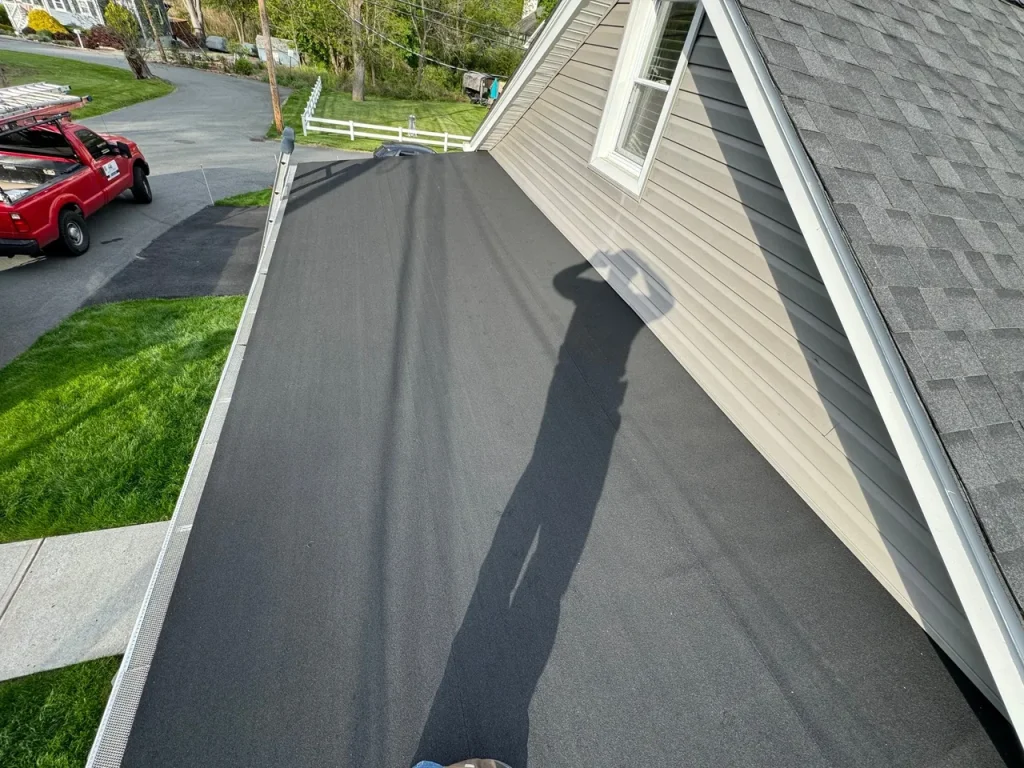
Storm season exposes every weak point a roof has been quietly hiding.
A roof can look respectable from the street and still be one hard rain away from a leak that stains ceilings, soaks insulation, and sends a homeowner into emergency mode at the worst possible time. Most urgent roof repairs do not begin with a dramatic tree strike or a headline-making wind event. They begin with smaller failures that were left alone too long, a lifted shingle at one corner, a tired flashing joint around a vent, an old patch that dried out and cracked under summer heat.
When severe weather arrives, those minor defects stop being cosmetic. They become entry points.
Anyone who has spent time around storm-related roofing calls sees the pattern. The houses with the biggest interior damage are not always the oldest, nor are they always in the hardest-hit neighborhood. They are often the homes where deferred maintenance met bad timing. A ten-minute water intrusion can leave drywall soft, insulation saturated, framing damp, and mold concerns ticking quietly behind painted surfaces. That is why preparation matters more than many owners realize. Storm season is less about reacting fast and more about reducing the number of things that can go wrong in the first place.
What storm season really does to a roof
Wind, rain, hail, and flying debris each attack roofing systems in different ways. Wind works at the edges first. It catches tabs, loosened ridge pieces, and improperly fastened flashing. Once the first section lifts, pressure changes can peel back a much larger area. Rain looks harmless by comparison, but it takes advantage of every failed seam and every area where water ponds longer than it should. Hail bruises asphalt shingles, knocks granules loose, dents metal components, and shortens the remaining service life even when the damage is not obvious from the ground.
Then there is the cumulative effect. A roof that survived last year’s storms may still have invisible damage that makes it more vulnerable this year. That is especially common with asphalt shingles that have become brittle from age and UV exposure. They may not leak immediately, but once they lose flexibility, repairs become trickier and future storms hit harder.
Storm preparation works best when you stop thinking about the roof as just shingles. A roofing system includes underlayment, decking, fasteners, flashing, vents, sealants, gutters, soffits, and the attic space beneath it. Water can enter at one point and show up fifteen feet away, which is why casual visual checks often miss the real problem.
Start before the forecast gives you a deadline
The worst time to schedule roof repairs is when a storm watch is already posted.
Contractors fill up quickly once a weather event is on the radar, Roof Repairs and the good crews are rarely sitting around waiting. Material availability can also tighten after a regional storm, especially for specific shingle colors, ridge products, or specialty flashing. If you discover a vulnerable section of roof in the middle of a busy storm cycle, the choice may come down to a temporary tarp instead of a proper repair. Tarps have their place, but nobody should confuse them with a long-term fix.
Early preparation also gives room for judgment. A contractor can inspect the roof carefully, compare repair options, and tell you whether a localized fix makes sense or whether the money would be better spent on larger corrective work. Under time pressure, people often approve the fastest patch available. Sometimes that is necessary. Often it is just expensive procrastination in disguise.
The trouble spots that deserve the closest attention
Most roof leaks occur at transitions and penetrations, not in the middle of a wide, open field of shingles. Valleys, pipe boots, skylights, chimneys, wall intersections, and step flashing zones deserve close examination because they combine changes in slope, concentrated water flow, and multiple materials. These areas age differently, expand and contract at different rates, and rely on details that are easy to install poorly.
Pipe boots are a classic example. The shingles around them may still have years of life left, but the rubber collar can crack from sun exposure long before the roof itself is ready for replacement. One small split around a plumbing vent can let in enough water to rot decking over time. I have seen owners focus on replacing a few missing shingles while overlooking a boot that was clearly past its limit.
The roof edge matters just as much. Drip edge, starter strips, fascia condition, and gutter attachment all influence whether wind-driven rain stays out. If the edge metal was omitted or installed incorrectly during an earlier reroof, storm season has a way of exposing that shortcut. Water can wick under the first course of shingles and into the deck where the damage stays hidden until stains appear indoors.
Older repairs also deserve scrutiny. Roofing cement, caulk, and patch materials can buy time, but they are not immortal. A repair that looked sound three years ago may now be brittle, shrunken, or separating from the surface it was meant to seal. Many chronic leak problems are really failed old repairs being repaired again without addressing the underlying detail.
A practical inspection routine that catches more than a quick glance
A careful inspection does not need to be complicated, but it does need to be systematic. Start from the ground, move to the gutters and roofline with binoculars if needed, and then look inside the attic on a dry day. The attic tells the truth. Stains on rafters, darkened decking, rusty nail tips, damp insulation, and musty smells often show problems before the living space does.
If you plan to hire a professional, it helps to know what you want checked. Ask for photos of penetrations, valleys, flashing conditions, exposed fasteners, damaged shingles, sagging decking, and any soft spots underfoot if the roofer walks the roof. Good documentation makes it much easier to decide what should be repaired now and what can be monitored.
Here are the signs that should move to the top of the list before storm season intensifies:
- Missing, cracked, curled, or lifted shingles, especially near ridges, edges, and valleys.
- Rusted, loose, or improperly sealed flashing around chimneys, vents, skylights, and wall joints.
- Granule loss collecting heavily in gutters or downspout outlets, which often points to aging shingles.
- Soft decking, interior water stains, or attic moisture, all of which suggest water is already getting through.
- Clogged or poorly pitched gutters that let water back up at the roof edge.
That short list covers a large share of pre-storm roof failures. None of those issues improve by waiting.
Why gutters are part of the roof repair conversation
Homeowners often treat gutters as a separate maintenance task, but storm performance says otherwise. A roof can shed water exactly as intended and still suffer damage if gutters overflow, pull away from fascia, or dump runoff where it should not go. During heavy rain, a blocked gutter effectively creates a temporary dam at the roof edge. Water that should exit quickly sits where it can soak vulnerable joints and rot wood trim.
Downspouts matter too. If they discharge too close to the house, splashback and saturated soil can create moisture problems that look like roofing failures but begin lower down. In stronger storms, a loose gutter section can rip free, taking fascia board and drip edge with it, which turns one repair into three.
Before storm season, cleaning the gutters is the easy part. The more useful step is checking attachment points, slope, seams, and downspout discharge locations. If a gutter has standing water after a normal rain, that is a sign to investigate alignment or blockage. Small corrections made early are far cheaper than replacing rotted trim and sheathing later.
Deciding between a repair and a replacement
This is where experience matters. Some roofs are good candidates for targeted roof repairs. Others have crossed the line where patching becomes a cycle of short-term spending with little value.
Age is one factor, but not the only one. A fifteen-year-old roof in harsh sun with poor attic ventilation may be in worse condition than a twenty-year-old roof that was installed carefully and maintained. The number and distribution of problem areas matter just as much. If issues are isolated and the shingles still have flexibility, a competent repair often makes financial sense. If the roof shows widespread granule loss, repeated leaks, multiple prior patches, and brittle shingles that crack when handled, repair crews may be working on borrowed time.
Matching materials is another practical concern. On older roofs, exact shingle matches can be difficult or impossible to find. That may not affect weather performance, but it does affect appearance. Some owners are fine with visible repair areas. Others would rather invest in a broader replacement than pay for a patch that stands out every time they pull into the driveway.
The smartest conversations are honest about remaining service life. A contractor who tells you a repair will probably hold for a season or two is giving useful information. A contractor who promises a miracle on a roof at the end of its lifespan is selling hope.
The repairs that usually matter most before severe weather
Not every defect carries the same urgency. Cosmetic dents on metal flashing may look dramatic after hail but do not always compromise function. By contrast, a tiny opening in a valley or a lifted shingle on a windward edge can become a major leak path in one bad storm.
The priority repairs before storm season are usually the ones that restore watertight details and wind resistance. Re-securing loose shingles, replacing damaged ridge caps, correcting exposed fasteners, renewing failed pipe boots, repairing flashing transitions, and replacing rotted decking in localized areas often deliver the greatest risk reduction. Sealing around roof penetrations should be handled carefully, though. Too much reliance on caulk where proper flashing is needed is a common mistake. Sealant is an accessory, not a substitute for sound detailing.
If a tree overhangs the roof, branch clearance also belongs in the pre-storm plan. Limbs that scrape shingles wear them down over time, and in a storm they can break, puncture, or drag across the surface with surprising force. Pruning back vulnerable limbs is one of the simplest ways to reduce preventable damage.
Material-specific concerns homeowners should understand
Asphalt shingles dominate many neighborhoods, but the right prep depends on the roof type.
Architectural asphalt shingles usually fail first at tabs, ridges, flashing points, or areas with poor ventilation. Three-tab shingles are more vulnerable to wind uplift as they age, and once their seal strips weaken, storms can peel them back quickly. Metal roofs handle wind well when installed correctly, but exposed fastener systems need regular attention because washers age and fasteners can back out. Tile roofs can last a long time, but cracked tiles and underlayment deterioration can allow water intrusion even when the roof still looks impressive. Flat or low-slope roofs have their own set of concerns, especially ponding water, membrane punctures, and seam failure.
That means storm prep cannot be one-size-fits-all. The right contractor should talk about your roof system specifically, not just “fix the leak” in generic terms.
Insurance, documentation, and timing after a storm
Good records make stressful situations easier. Before storm season ramps up, take clear photos of the roof from multiple angles if you can do so safely from the ground or from accessible windows. Keep records of maintenance, prior roof repairs, contractor invoices, and any inspection notes. If a storm later causes damage, having a record of the roof’s pre-storm condition can help during claims discussions.
It is also worth understanding what your policy covers and what it does not. Insurance typically addresses sudden storm damage, not wear and tear or neglected maintenance. If an adjuster sees long-standing deterioration around the actual storm damage, that can complicate the claim. This is one more reason proactive repairs matter. They do not just protect the house, they strengthen your position if severe weather does hit.
After a storm, avoid making assumptions from ground level. Hail bruising, creased shingles, and loosened flashing are not always obvious. At the same time, do not let fear push you into signing a contract with the first door knocker who appears after bad weather. Storm chasers know that anxious homeowners make fast decisions. Slow the process down enough to verify licenses, insurance, local presence, references, and written scope.
When to climb, when to call
There is a real temptation to handle roof prep personally, especially for small visible issues. Sometimes that is reasonable. Clearing gutters from a stable ladder, trimming low branches, or checking the attic for stains can be done safely by many homeowners. But pitched roofs, wet surfaces, brittle shingles, and second-story edges turn a simple inspection into a fall hazard very quickly.
Even experienced DIY homeowners can create expensive damage by walking improperly on hot or aging shingles. One misplaced step on a brittle section can crack material that was otherwise still functional. On tile roofs, foot traffic alone can break units if you do not know where to step. Flat roofs may feel safer, but they can conceal weak spots or slick algae growth.
These are the tasks where a professional usually earns the fee:
- Diagnosing the actual entry point of a leak rather than just the place where water appeared indoors.
- Replacing flashing, pipe boots, ridge sections, or valley materials that require precise integration.
- Assessing structural concerns such as soft decking, sagging areas, or hidden moisture damage.
- Evaluating whether localized roof repairs are cost-effective compared with partial or full replacement.
- Providing photo documentation and repair records that may help with insurance or resale.
A good roofer does more than patch symptoms. They interpret what the roof Roof Repairs is telling them.
Ventilation and attic conditions, the hidden side of storm readiness
Storm season preparation is not only about keeping rain out. It is also about preventing conditions that weaken the roof from beneath.
Poor attic ventilation traps heat and moisture, which accelerates shingle aging and can warp decking over time. During humid weather, especially in mixed climates, attic moisture can build up enough to mimic or worsen leak issues. If insulation is blocking soffit vents, or if exhaust vents are inadequate for the roof size, the roof system may be aging faster than expected.
This matters because a roof that has cooked for years under excess heat and humidity enters storm season already compromised. Seal strips may be weaker. Shingles may be more brittle. Deck fasteners may not hold as confidently in damp wood as they would in dry, sound decking. A ventilation correction is not as visible as replacing shingles, but in some homes it is one of the smartest preventive improvements available.
Small timing decisions that save large headaches
There are practical scheduling advantages to doing this work early. Roofers can inspect more carefully in calmer weather. Sealants cure better under appropriate temperature ranges. Crews are less likely to rush when they are not juggling a surge of emergency calls. Homeowners also have time to compare bids thoughtfully instead of choosing under pressure.
If you know your area typically sees severe weather during a certain stretch, back up your planning by at least a month or two. That buffer allows for inspection, proposal review, material ordering, and any weather-related delays during the repair itself. Waiting until the first major thunderstorm forecast is simply not enough runway.
It also helps to separate urgent repairs from desirable upgrades. If the roof needs a pipe boot replacement, loose shingle repairs, and flashing corrections, do those first. If you are also considering gutter guards, a skylight replacement, or a cosmetic color-matched enhancement, those can follow if budget allows. The goal before storm season is resilience, not perfection.
Choosing a contractor without getting sold the wrong job
Roofing proposals can vary dramatically, even for the same house. That does not always mean someone is dishonest, but it often means they are solving different problems. One roofer may price a straightforward repair because they believe the issue is localized. Another may recommend replacement because they see broader age-related failure. Ask each one to explain the diagnosis in plain terms and to show photos.
Pay close attention to scope details. A proper repair description should say what materials are being replaced, how flashing is handled, whether underlayment or decking replacement is included if needed, and how surrounding shingles will be integrated. Vague proposals create arguments later.
Local reputation matters. So does communication. The best contractors are rarely the cheapest, but they tend to be clear, realistic, and willing to tell you when a less expensive repair is enough. That honesty is worth a great deal.
What preparedness looks like in real life
A well-prepared roof does not guarantee zero storm damage. No roof can promise that. A large branch, extreme hail, or exceptional wind can overwhelm even a newer system. But preparedness changes the odds significantly. It reduces the chance that routine storm stress becomes interior damage. It narrows the path water can take. It turns an emergency call into a manageable repair far more often than people expect.
The homeowners who fare best during storm season are usually not the ones who spent the most. They are the ones who acted before the roof forced the issue. They noticed the loose ridge cap, the aging vent boot, the overflowing gutter, the attic stain that appeared after one windy rain, and they treated those signals as warnings instead of inconveniences.
That is the practical heart of storm preparation. Roof repairs done at the right time are not just maintenance chores. They are risk control, budget protection, and peace of mind with very tangible value the first night the wind picks up and the rain starts driving sideways.
Royalty Exteriors
151 NJ-10 Suite 103A
Succasunna, NJ 07876, United States
+1 973-333-7234
FAQ About Roof Repairs
Can you fix a roof leak without replacing the whole roof in Succasunna,NJ?
Often, a localized leak can be repaired without replacing the entire roof, depending on its cause and the condition of the surrounding materials. Damaged shingles, flashing, or a roof penetration may need targeted work. Royalty Exteriors offers roof repairs for leaks, storm damage, and shingle issues. An inspection is needed to determine the appropriate scope.
What is considered a minor roof leak?
A leak may be considered minor when the damage is limited to a small area and the surrounding roofing remains sound. A small ceiling stain alone does not establish the extent of the problem because water can travel before becoming visible. Have the source and any concealed damage assessed promptly.
Is it better to repair or replace a leaky roof?
The decision depends on the roof's age, overall condition, leak source, extent of damage, and history of previous repairs. A localized problem on an otherwise serviceable roof may be suitable for repair. Widespread deterioration or recurring leaks may justify considering replacement. Ask for an inspection and a written explanation of the recommended work before deciding.
❧